Betta Fish Tank Setup: Creating The Right Home For Your Betta
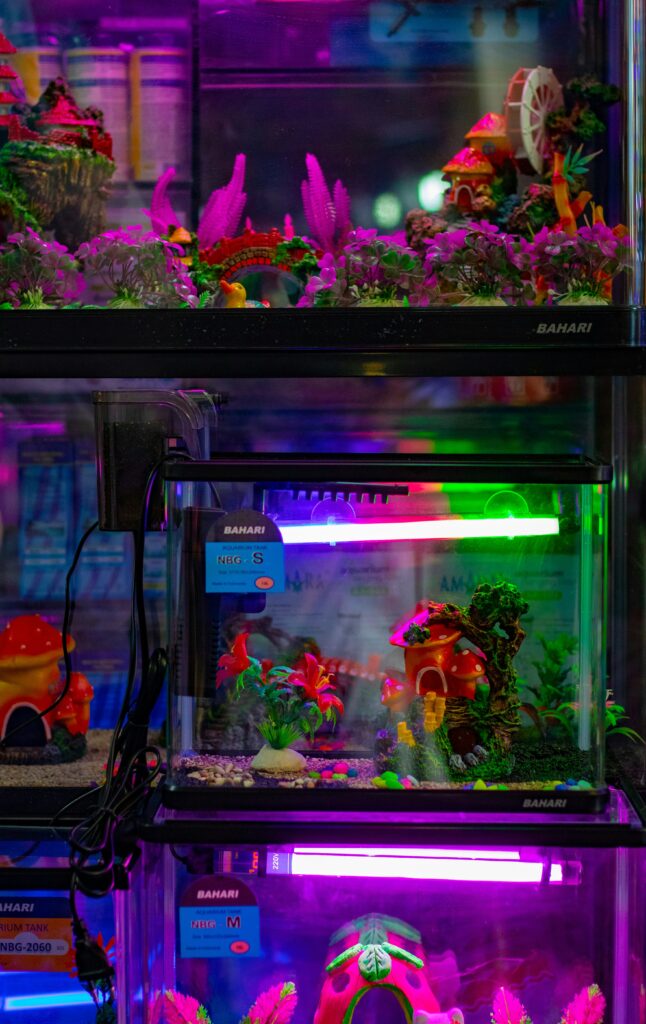
You got your betta fish. The colors are bright, the fins move slowly through the water, and the fish immediately becomes the center of the tank. The next step is simple but important. You need to set up a betta fish tank that supports the fish’s health and natural behavior.
Many people first see bettas living in small bowls at stores and assume that the setup works long-term. In reality, bettas only survive in those conditions for a short time. A proper environment allows them to swim, explore, rest near the surface, and maintain a stable body temperature. When you set up a betta fish tank correctly from the beginning, the fish lives longer and shows far more natural behavior.
Choosing The Right Tank Size
The first decision is tank size. A 5-gallon tank is the minimum recommended for a single betta fish. Smaller tanks make it difficult to keep the water stable and clean. Waste builds up quickly, and temperature changes happen faster in small volumes of water.
A 10-gallon tank often works even better. It gives the fish more room to swim and makes the environment easier to maintain. When you set up a betta fish tank, think of the space as the fish’s entire world. A little extra room goes a long way toward reducing stress and improving water quality.
Temperature and Heater
Bettas are tropical fish that come from warm waters in Southeast Asia. Because of this, temperature control is essential. The ideal range is 76 to 81°F.
Cold water slows a betta’s metabolism and weakens the immune system. This often leads to illness or lethargy. A small aquarium heater solves this problem by keeping the temperature stable throughout the day. When you set up a betta fish tank, a heater should always be part of the plan rather than an optional upgrade.
Filtration Without Strong Current
Clean water keeps a betta healthy, but the type of filtration matters. Bettas prefer calm water because their long fins make strong currents difficult to swim against.
Low flow filters work best. Sponge filters and baffled hang on back filters keep the water clean while maintaining a gentle flow. This balance helps remove waste and toxins without creating constant stress for the fish. Good filtration is also a key part of long-term betta fish tank care, since it keeps the environment stable between water changes.
Plants And Tank Layout
A well designed tank includes places for the fish to explore and rest. Bettas naturally swim near the surface and often pause on leaves or decorations.
Live plants or silk plants work well because they provide soft resting spots and help create a natural environment. Sharp plastic decorations should be avoided because they can tear delicate fins. At the same time, the tank should still have open swimming areas so the fish can move freely.
A balanced layout with plants, hiding spots, and open water makes the tank feel natural while still allowing the fish to stay active.
A Quick Note About Tank Mates
After owners set up a betta fish tank, many begin wondering if other creatures can share the space. Some peaceful species can coexist in the right environment. Snails, certain shrimp, and calm bottom dwelling fish sometimes work well because they occupy different parts of the tank.
However, bettas have strong personalities and can be territorial. Some individuals tolerate tank mates, while others prefer to live alone. Choosing compatible species requires careful planning and observation.
A full guide on this topic will explain which animals are safest to keep with a betta and how to introduce them properly.
Final Thoughts
Creating the right environment is the most important step in keeping a healthy betta fish. A properly sized tank, warm water, gentle filtration, and a thoughtful layout all work together to support the fish’s natural behavior. When you set up a betta fish tank with these basics in place, daily care becomes simple, and the fish can thrive for years rather than just survive.