Breeding Of Betta Fish: How Betta Fish Mate And Raise Their Fry
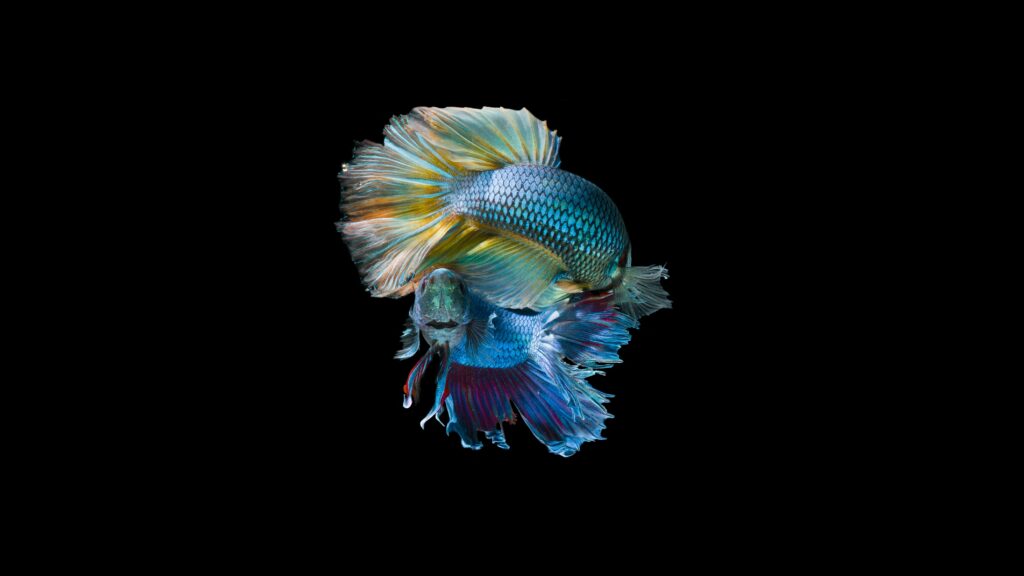
At first glance, a betta fish tank can look calm and peaceful. But when the breeding of betta fish begins, something unusual often appears at the surface of the water. Tiny bubbles begin to gather together into a floating nest.
This structure is called a bubble nest, and it is one of the first signs that betta fish mating may happen soon. Male bettas build these nests carefully, sometimes spending hours maintaining them before the female is even introduced. The nest floats at the surface and serves as a safe place for the eggs after spawning.
The breeding of betta fish is fascinating to watch, but it also requires patience and preparation. Without the right tank setup and timing, the process can fail quickly. Understanding how bettas mate and care for their eggs helps explain why many breeders prepare carefully before attempting it.
Preparing A Betta Fish Breeding Tank
Before betta fish mating can happen, the aquarium environment must be prepared. A proper betta fish breeding tank is usually simple and calm to reduce stress for both fish.
Many breeders use a tank of around 20 liters (about 5 gallons) with shallow water. A tight-fitting lid is important because bettas are capable of jumping out of the tank.
A few basic items help create a stable environment:
• A sponge filter, which keeps the water clean without strong currents
• A heater set around 77–80°F (25–27°C) to maintain tropical temperatures
• A surface object such as floating plants or Indian almond leaves where the male can build his bubble nest
• Gentle lighting and minimal disturbance around the tank
The goal of the betta fish breeding tank is stability. Calm water allows the bubble nest to remain intact and gives the male a safe place to collect the eggs.
Conditioning The Parents Before Breeding
Healthy parents are important for successful breeding of betta fish. Many breeders spend about a week conditioning the male and female before introducing them.
During this time the fish are fed high-protein foods such as:
• frozen bloodworms
• live blackworms
• brine shrimp
This extra nutrition helps the female develop eggs and gives the male the energy needed for building the bubble nest and caring for the eggs later.
Choosing the right pair also matters. A healthy male usually shows strong color and an active swimming pattern. The female can often be identified by a small white egg spot and a slightly rounder belly.
How Betta Fish Mating Happens
Once the betta fish breeding tank is ready, the female is usually placed inside a small breeder box within the tank. This allows the male to see her while preventing immediate aggression.
During this stage, the male often begins constructing a bubble nest. He may also display territorial behavior by flaring his fins and swimming actively near the nest.
When the nest is ready and the pair appears calm, the female can be released. Betta fish mating often begins with chasing behavior around the tank. Eventually, the pair performs a movement known as the embrace, where the male wraps his body around the female.
As the female releases eggs, the male fertilizes them. The eggs slowly fall through the water, and the male quickly collects them in his mouth and places them carefully inside the bubble nest.
This process can repeat many times over several hours.
Why The Female Betta Must Be Removed
After spawning, the role of the female betta is finished. At this stage of the breeding of betta fish, the female should usually be removed from the tank.
The male becomes highly protective of the bubble nest and may attack the female if she remains nearby. In some cases, the female may also eat the eggs if she stays in the tank.
Once the female is removed, the male continues caring for the nest. He patrols the tank, repairing bubbles and returning any falling eggs back to the nest
When To Remove The Male Betta
The male betta becomes the temporary guardian of the eggs during the breeding of betta fish. Within about 24 hours, the eggs hatch into tiny fry that remain attached to the bubble nest.
For the next few days, the male continues protecting them and returning any falling fry back to the nest. This stage lasts until the fry become free-swimming, which usually happens around 3–4 days after hatching.
Once the fry begin swimming on their own, the male should also be removed. At this point his protective behavior fades, and like many fish species, he may begin eating the young.
This short parenting period is one of the most surprising parts of betta breeding. The male carefully guards the eggs at first, but once the fry become independent, they must be separated from the adults to survive.
Why Breeding Of Betta Fish Is Difficult
Although the breeding of betta fish is fascinating to observe, it can be challenging for beginners.
Several factors can affect success:
• Aggression between the male and female
• Poor water conditions in the betta fish breeding tank
• Weak or unhealthy parents
• Difficulty raising fragile fry
Young bettas require very small foods such as infusoria or baby brine shrimp during their first days of life. Maintaining clean water and stable temperature also becomes very important as the fry grow.
Because of these challenges, many aquarium owners choose to enjoy bettas as display fish rather than attempting to breed them.
Raising Betta Fry As They Grow
Once the fry are swimming freely and the male has been removed, the young bettas begin growing quickly. During this stage, it is important to feed them small meals several times a day, often 3–4 times daily, using foods like baby brine shrimp or other fine fry foods.
Frequent feeding keeps the fry healthy and growing, but it also helps reduce aggression. When food is scarce, young bettas may become more competitive and start nipping at the fins of their siblings.
As the fry grow larger, you will eventually need to separate them into individual containers or larger divided tanks. This usually becomes necessary once the fish begin showing stronger territorial behavior and fin nipping becomes more common. Separating them at this stage helps prevent injuries and allows each young betta to develop properly.
How To Breed Betta Fish Successfully
Learning how to breed betta fish requires patience, preparation, and careful timing. A proper betta fish breeding tank, healthy parent fish, and stable water conditions all play an important role. Once the male builds a bubble nest and betta fish mating begins, the breeder must closely watch the pair and remove the female after spawning to protect the eggs.
As the eggs hatch and the fry begin swimming freely, the male should also be removed from the tank. Raising the young bettas requires frequent feeding, clean water, and eventually separating the fry as they grow.
Final Thoughts
The breeding of betta fish is one of the most unique behaviors seen in aquarium fish. From the careful construction of bubble nests to the brief parenting role of the male, the process shows how complex these small fish can be.
Understanding betta fish mating, preparing a proper betta fish breeding tank, and knowing when to separate the parents are all key parts of raising healthy fry.
For many aquarists, simply observing these behaviors provides a deeper appreciation for the natural instincts of betta fish.